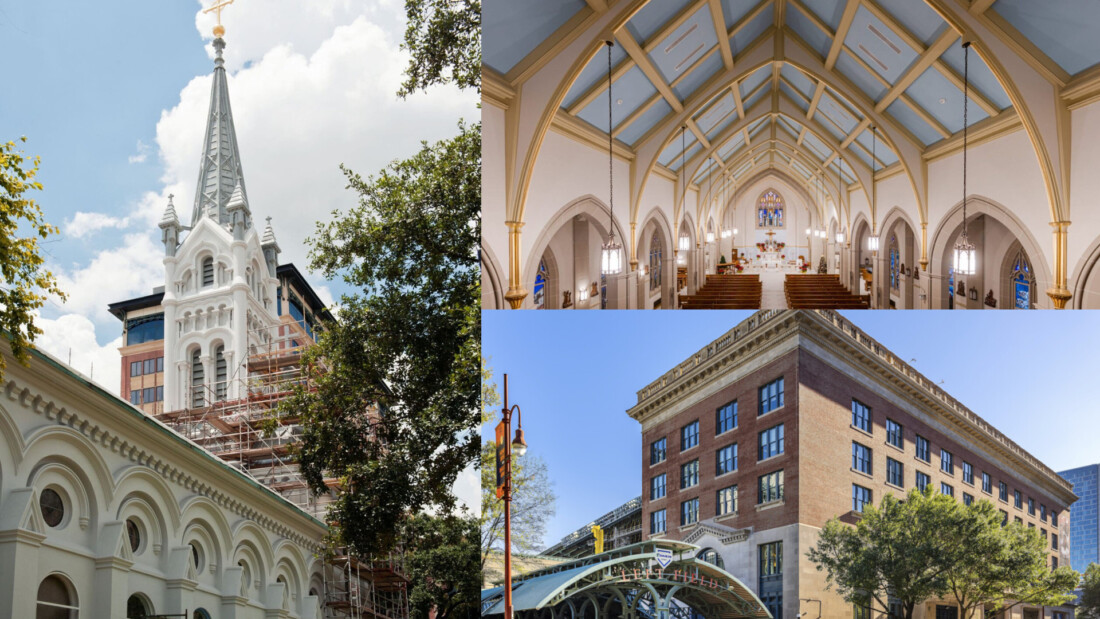
Historic buildings tell a story. Their architecture, materials, craftsmanship, and character connect communities to the people and places that came before them. But preserving that history while preparing a building for decades of continued use requires a thoughtful approach to construction.
For owners considering the renovation or restoration of a historic property, the goal is rarely as simple as making something look new again. Successful historic preservation means determining what should remain, what needs to be restored, and where modern improvements can be incorporated without compromising the character of the original structure.
Expect the Unexpected
One of the biggest differences between historic renovation and new construction is the level of uncertainty behind existing walls, ceilings, and finishes.
Original drawings may be incomplete or unavailable. Materials and construction methods may differ significantly from today’s standards. Once work begins, teams may uncover unexpected deterioration, structural conditions, previous modifications, or building systems that weren’t visible during initial evaluations.
That’s why early investigation and collaboration between the owner, architect, contractor, consultants, and specialty trades are so important. The more the team understands before construction begins, the better prepared everyone is to respond when unexpected conditions arise.
Modern Performance, Historic Character
Historic buildings were constructed for a different era, but today’s owners still need them to perform for modern use.
Life safety requirements, accessibility, structural performance, building systems, energy efficiency, security, and occupant comfort may all need to be addressed during a renovation. The challenge is incorporating those improvements while respecting the architectural elements that make the building significant.
Sometimes that means repairing an original feature rather than replacing it. In other situations, new materials may need to replicate historic profiles, dimensions, or appearances while providing improved performance.
The best solution isn’t always the most obvious one. It requires understanding both the history of the building and its future purpose.
The Right Team Matters
Historic preservation requires patience, flexibility, craftsmanship, and close coordination. Decisions made during construction can have a lasting impact on features that may be impossible to recreate once they’re gone.
For owners, selecting a project team that understands those challenges can make a significant difference. A contractor should be prepared to investigate existing conditions, coordinate closely with the design team and specialty trades, document discoveries, communicate changes, and approach historic materials with care.
At Paradigm Construction, we believe progress doesn’t always mean starting over. Sometimes, Building to a Higher Standard means preserving what has already stood the test of time while preparing it to serve the next generation.