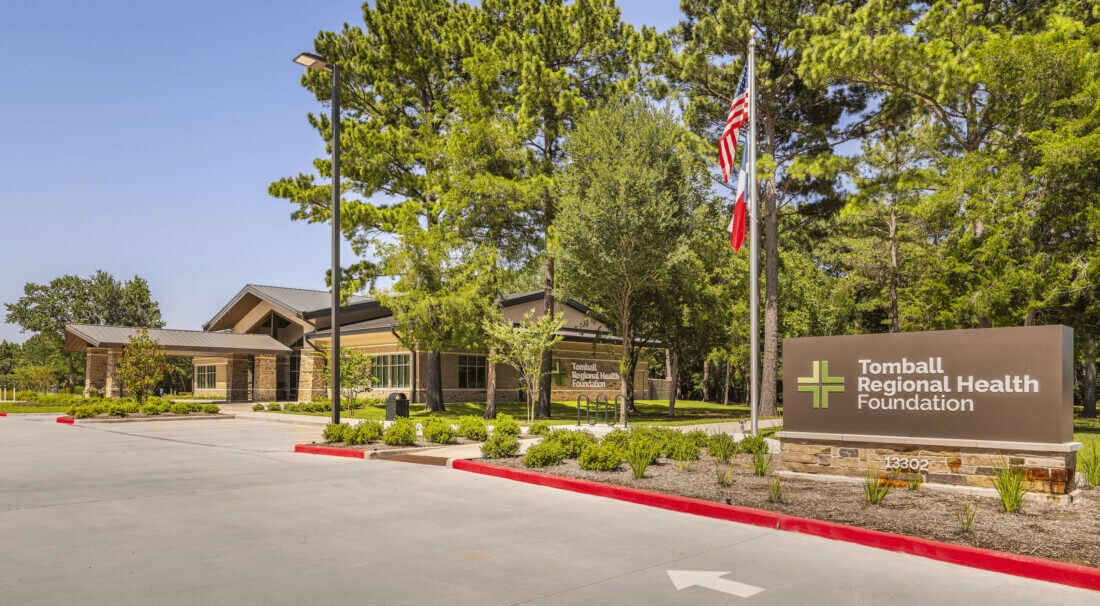
CLIENT: TOMBALL REGIONAL HEALTH FOUNDATION
LOCATION: TOMBALL, TEXAS
ARCHITECT: MG ARCHITECTS / LDDBLUELINE
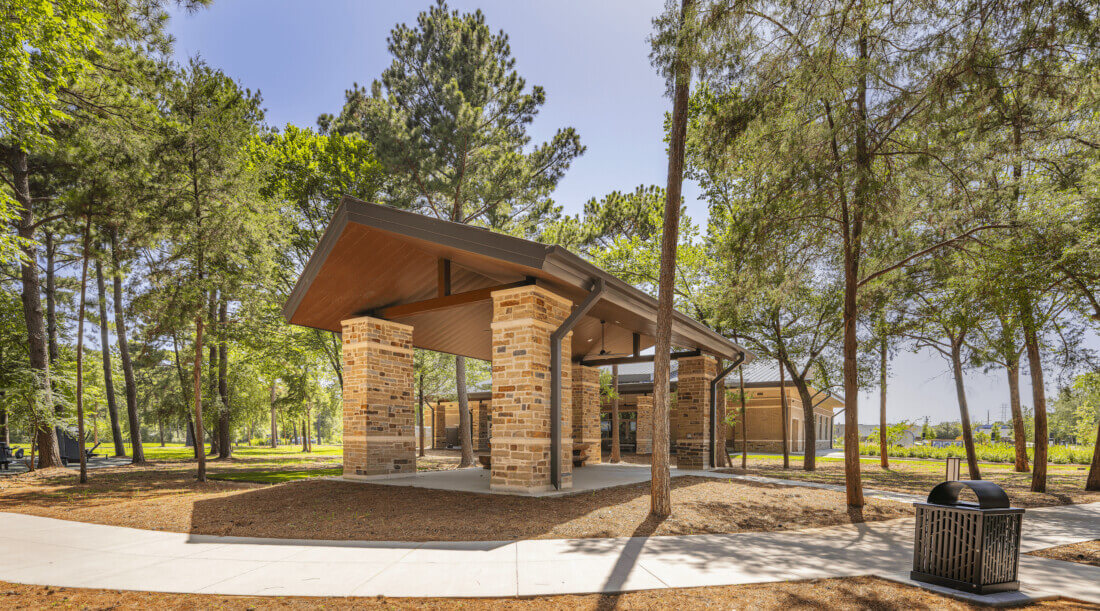
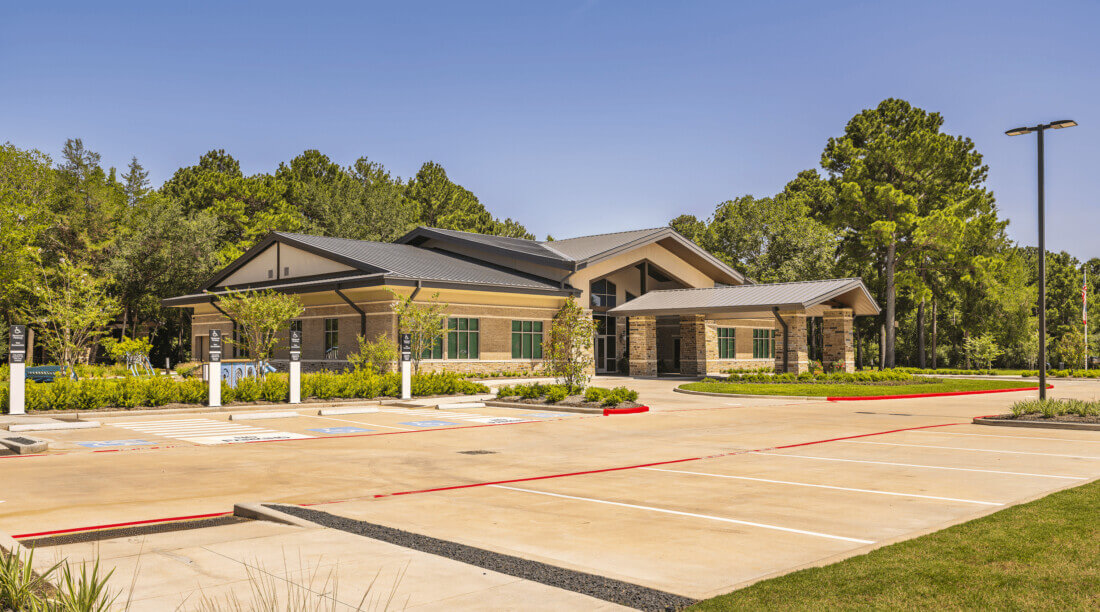
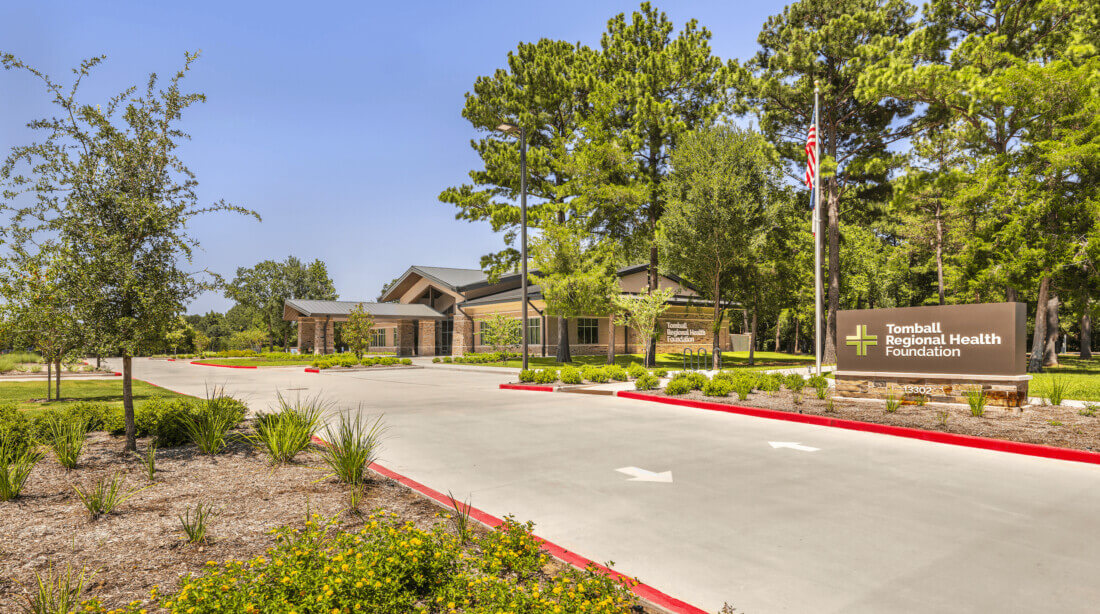
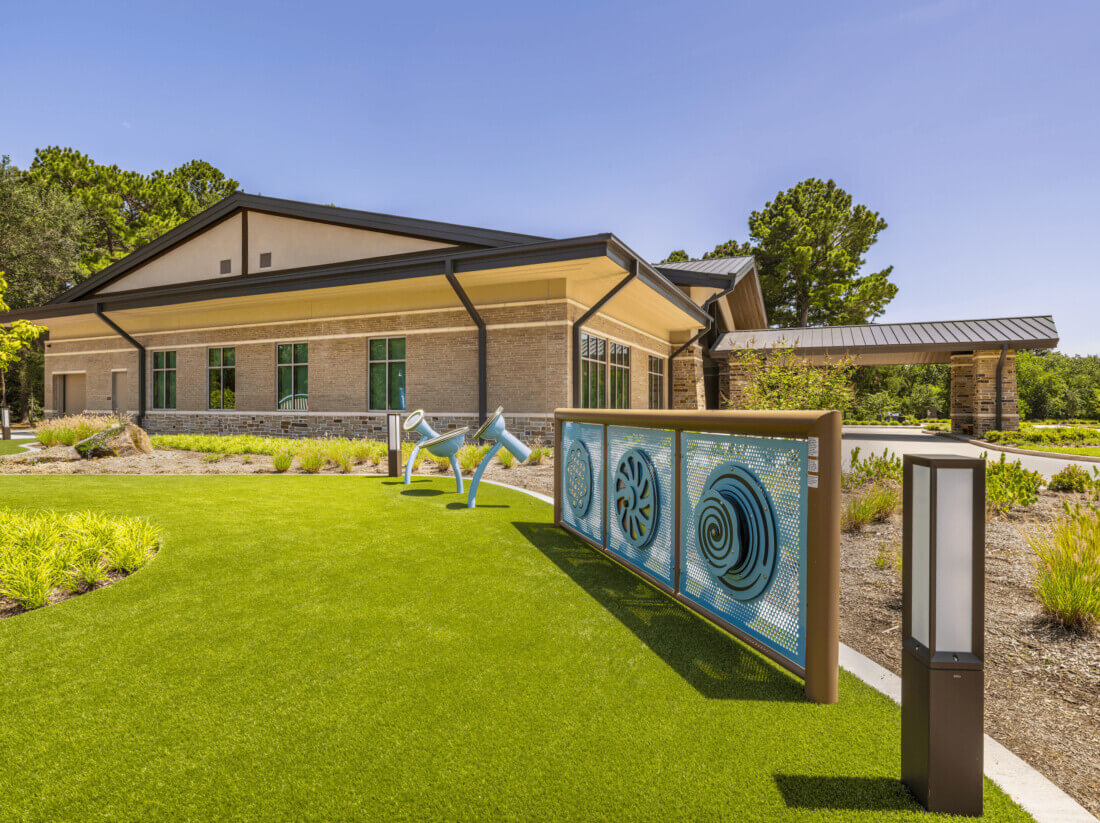
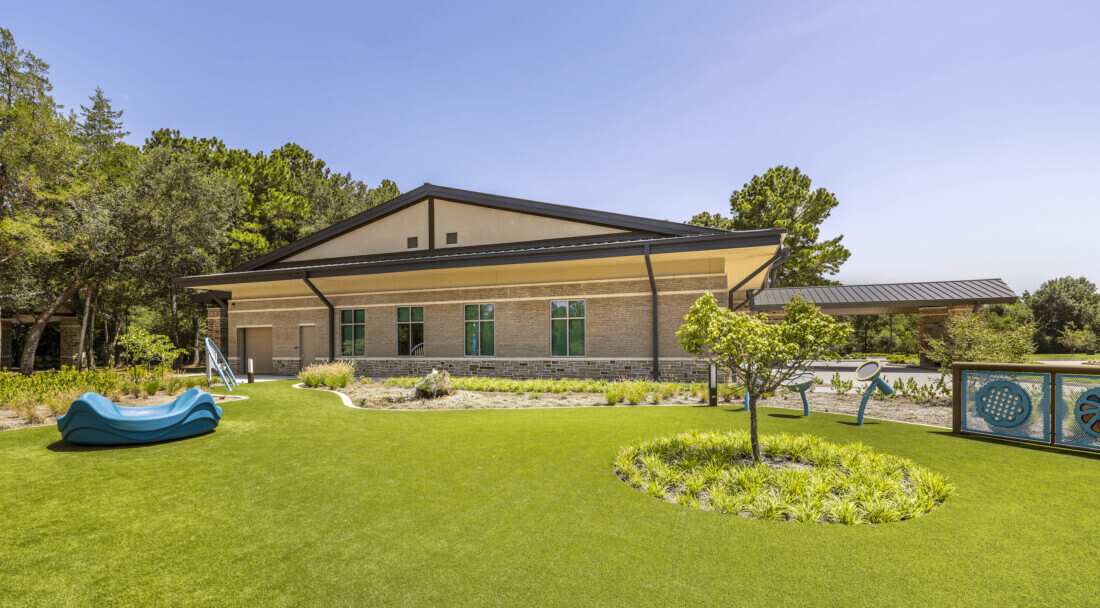
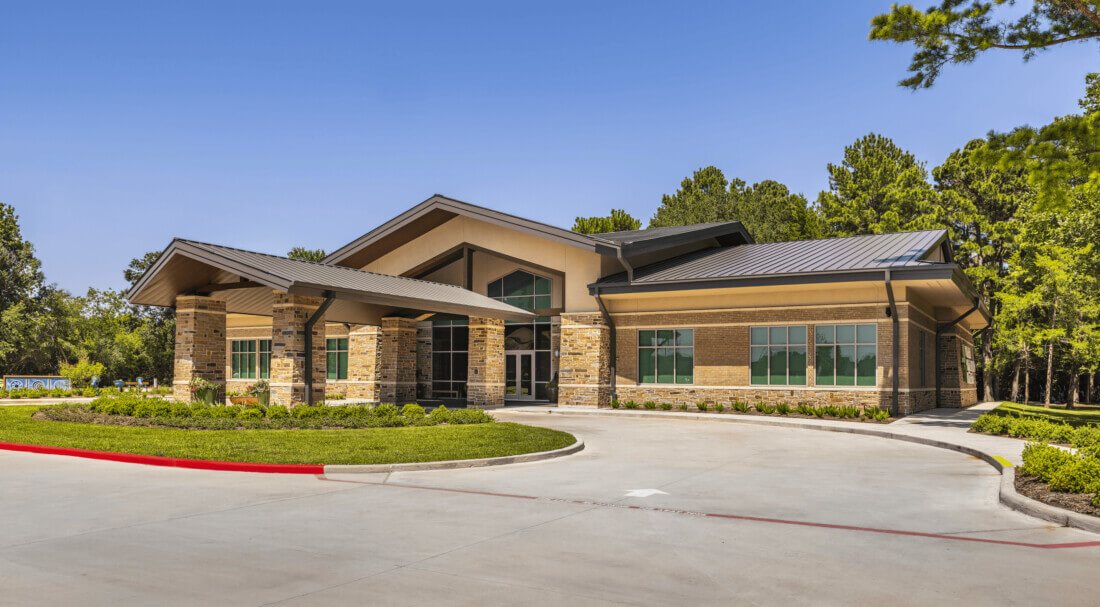
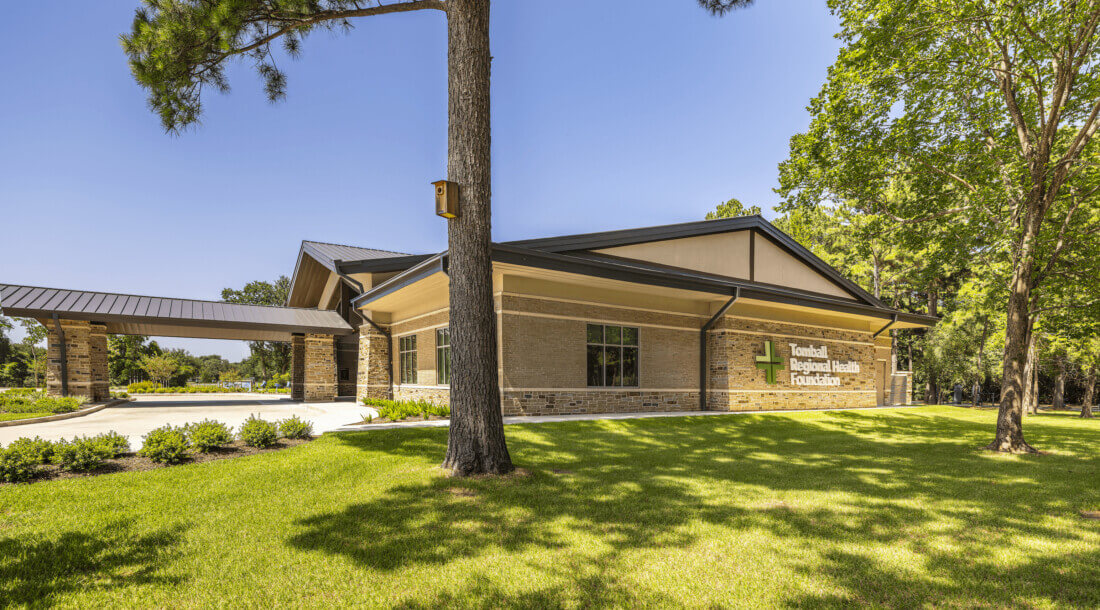
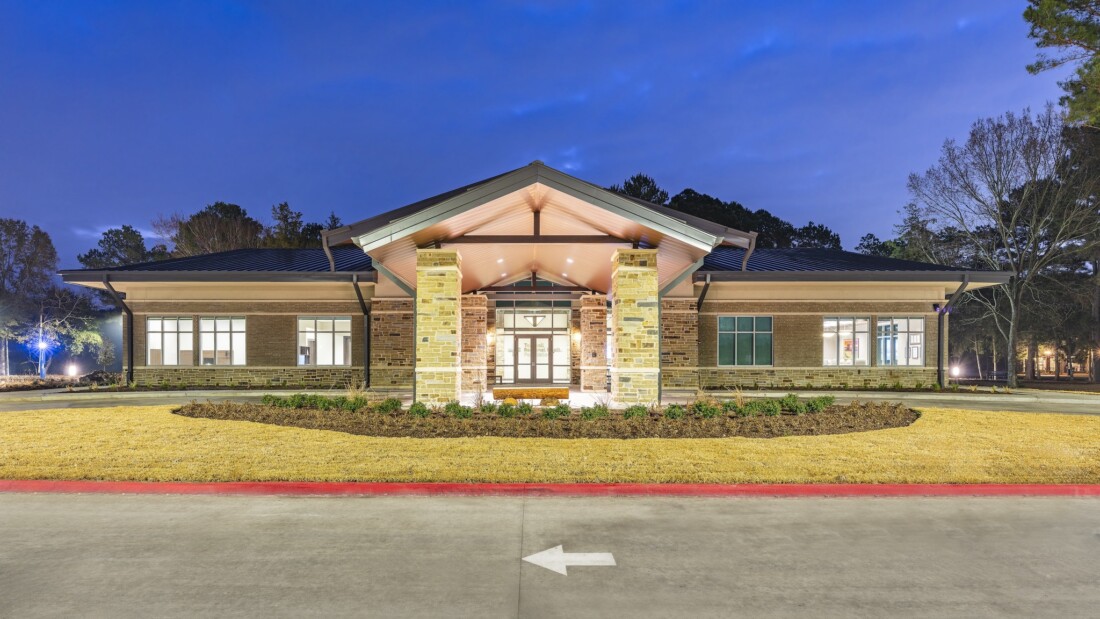
When the CEO of the Tomball Regional Health Foundation envisioned a home for the organization, he didn’t want to just build a building — he wanted to plant one. Nestled on 5.5 wooded acres in the heart of the Tomball Medical Center, the TRHF Administrative and Learning Center was designed from the ground up to belong to its community. Paradigm worked closely with the CEO and the TRHF team from the very beginning, translating his vision into detailed drawings and guiding him through every decision along the way: adding, refining, and problem-solving until every item on his list was achieved.
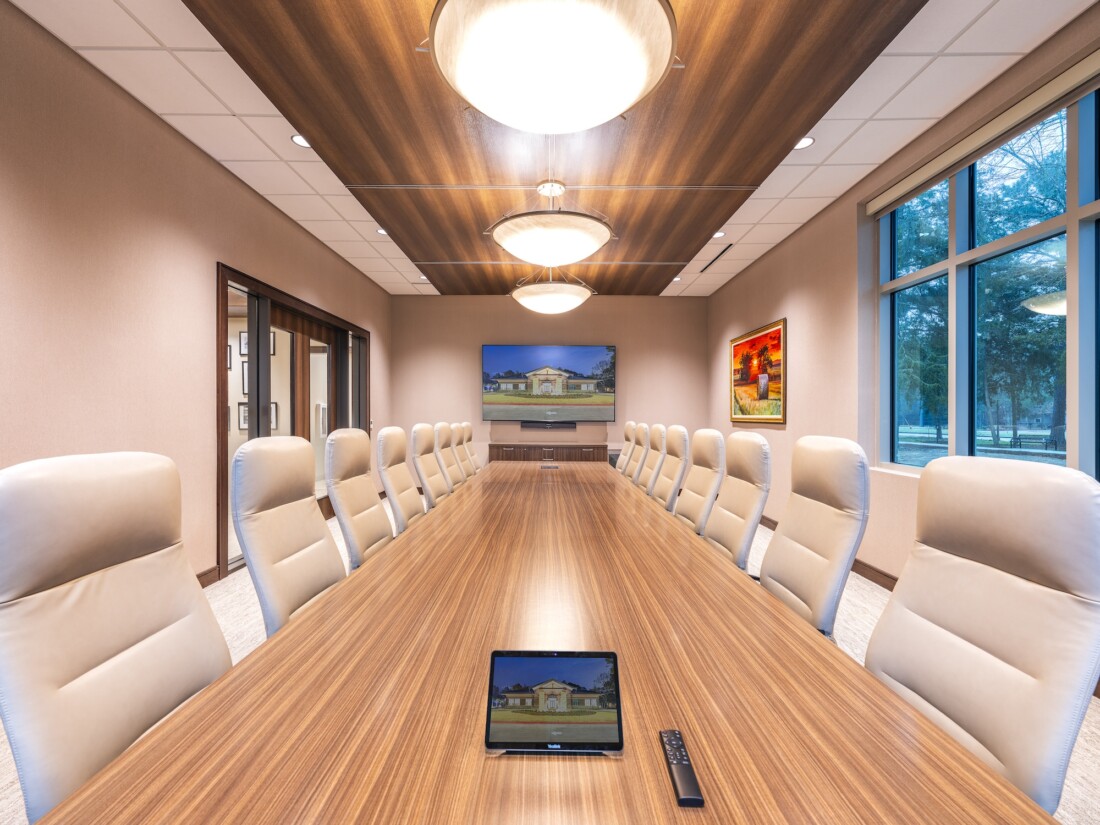
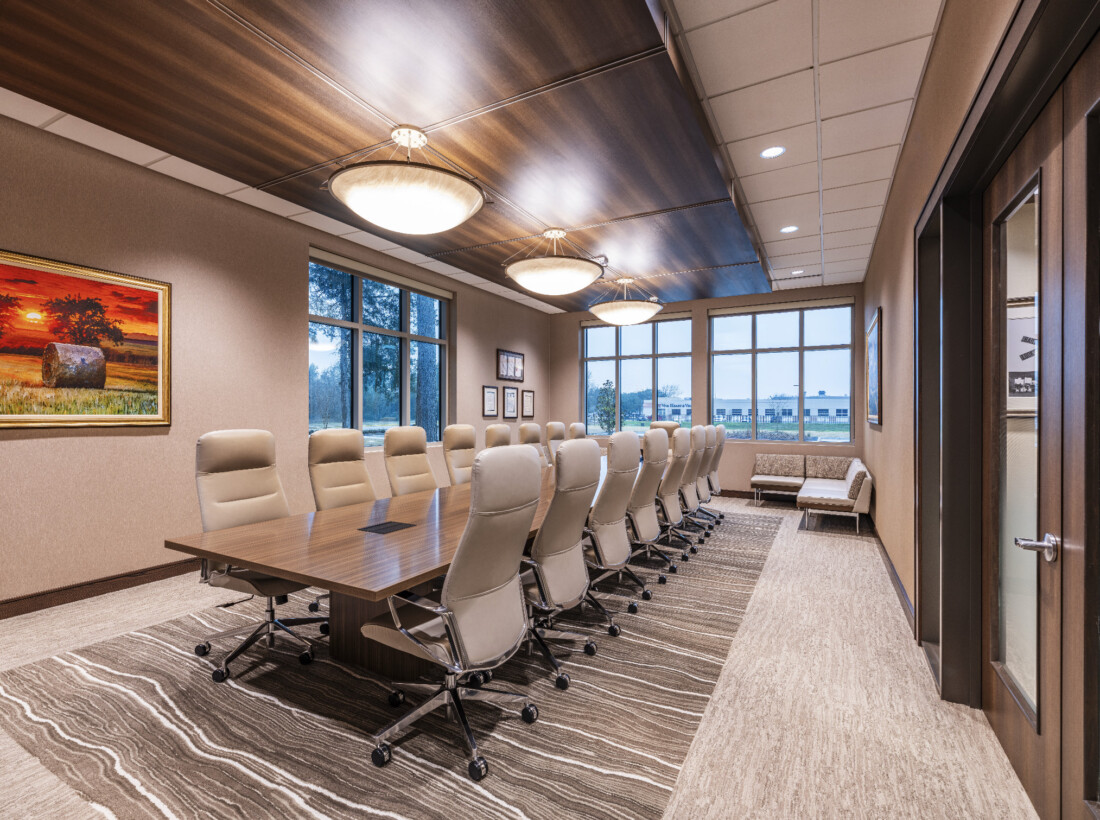
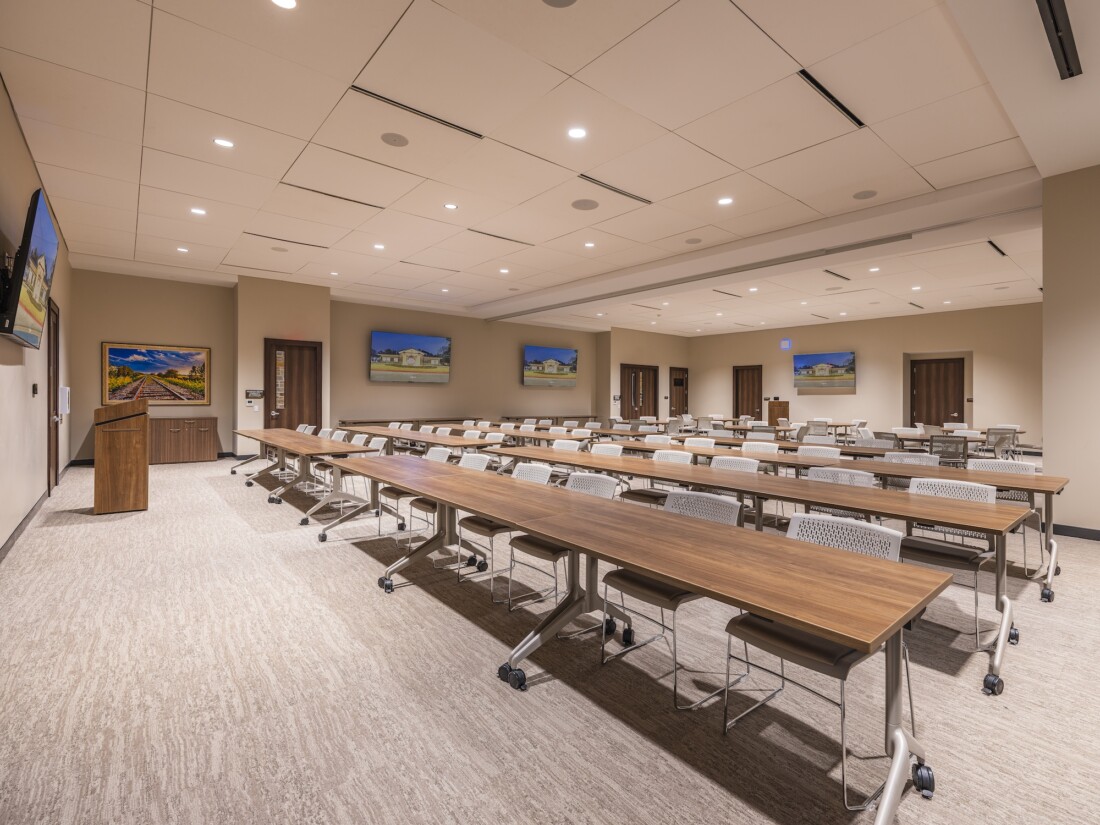
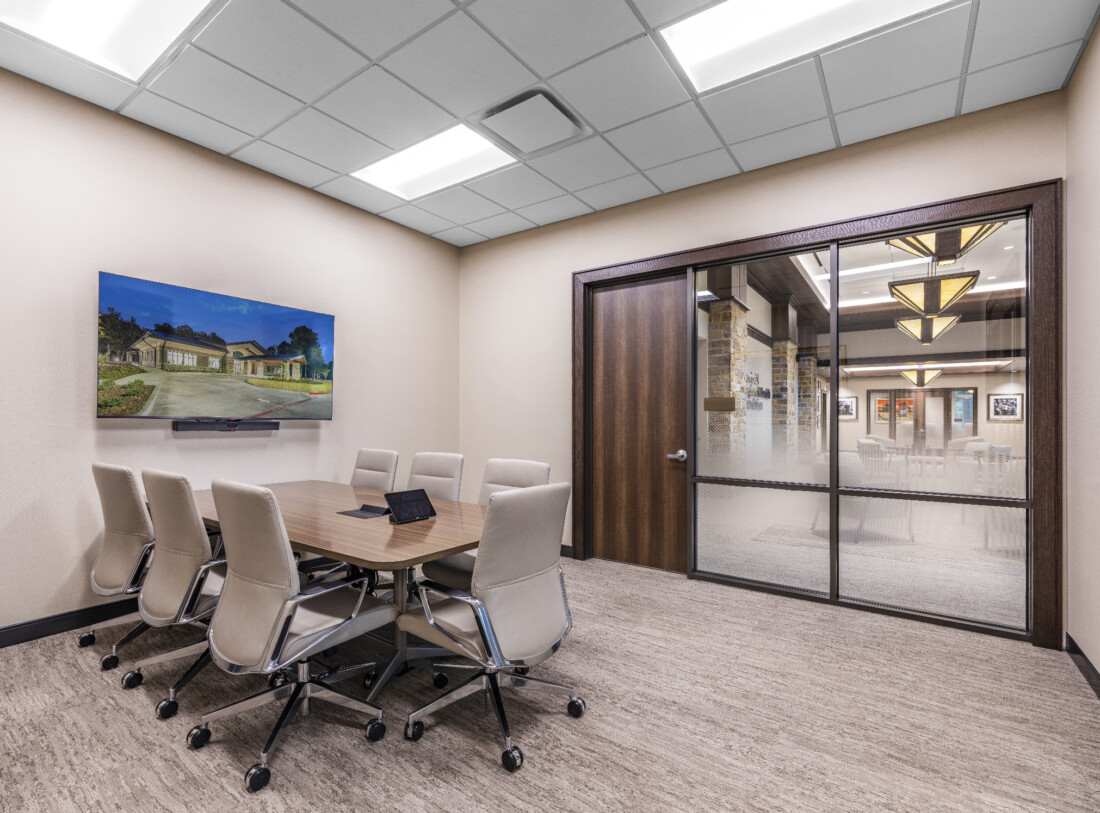
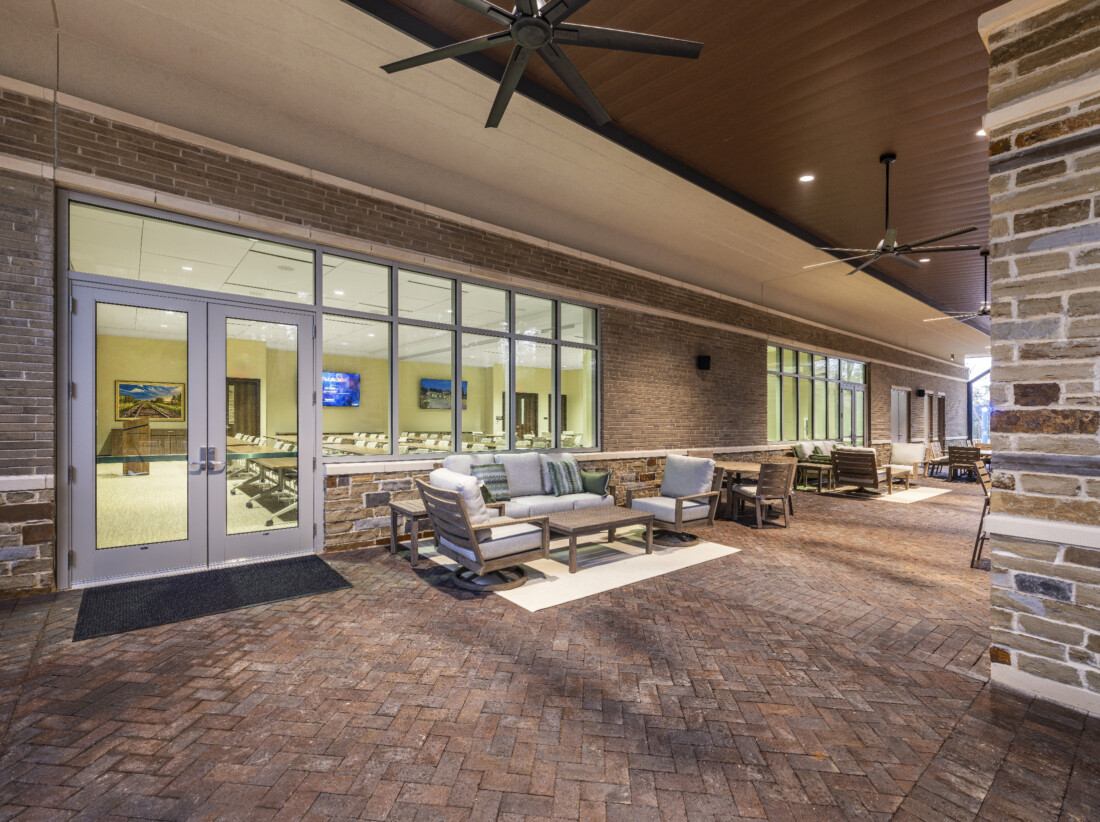
TRHF funds 52 nonprofits across 13 zip codes in the Tomball, Cypress, and Greater Houston area, many of which lack their own facilities or the operational resources to run effectively. This building changes that. With conference rooms, flexible meeting spaces, and a fully equipped learning center, the foundation’s nonprofit partners can now schedule and book space to host trainings, workshops, and gatherings that simply weren’t possible before. Paradigm understood the weight of what this building needed to do for the community, and that purpose drove every conversation and construction decision on the project.
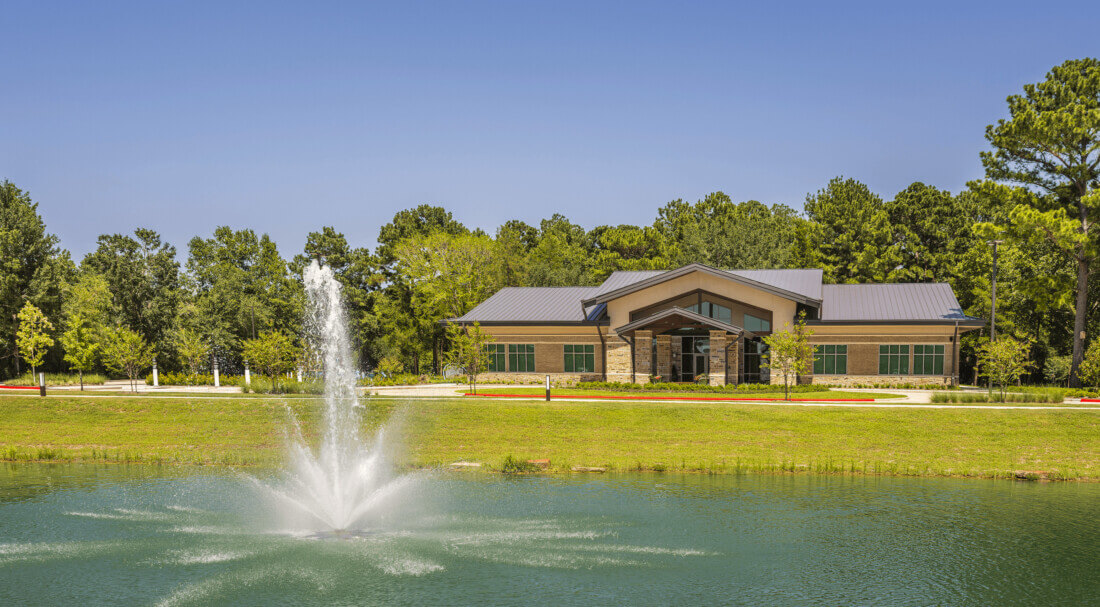
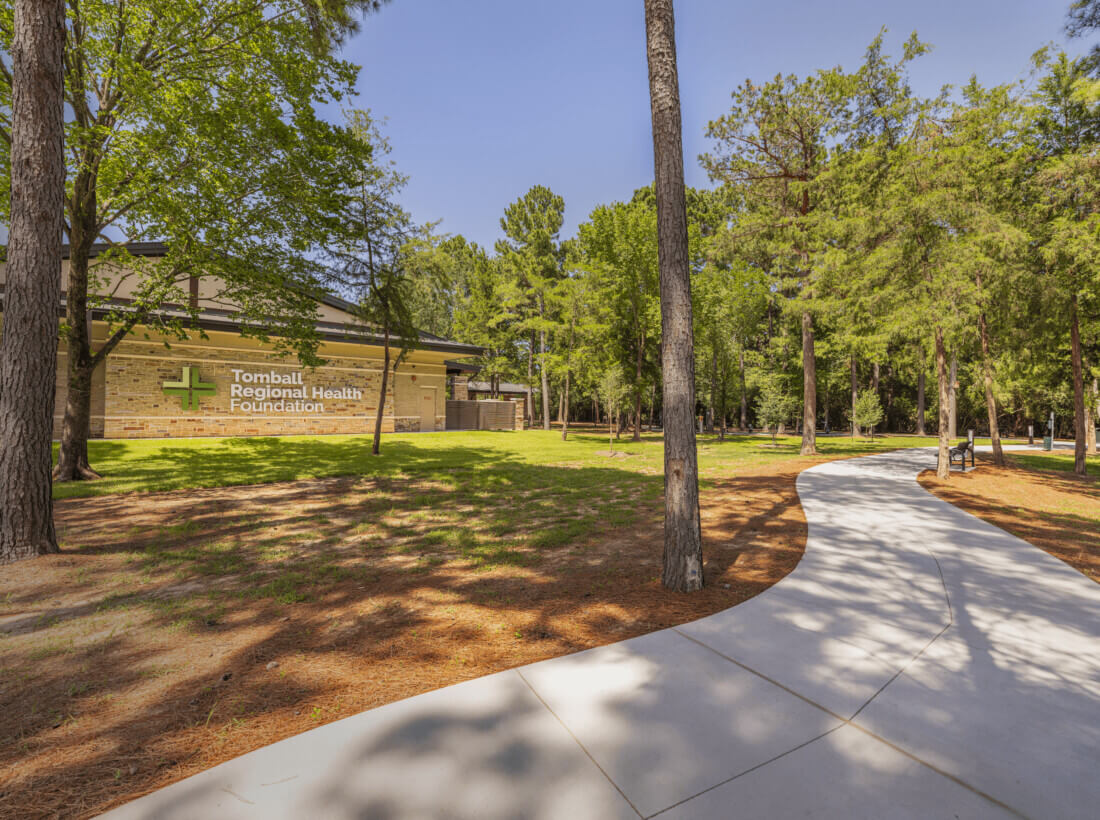
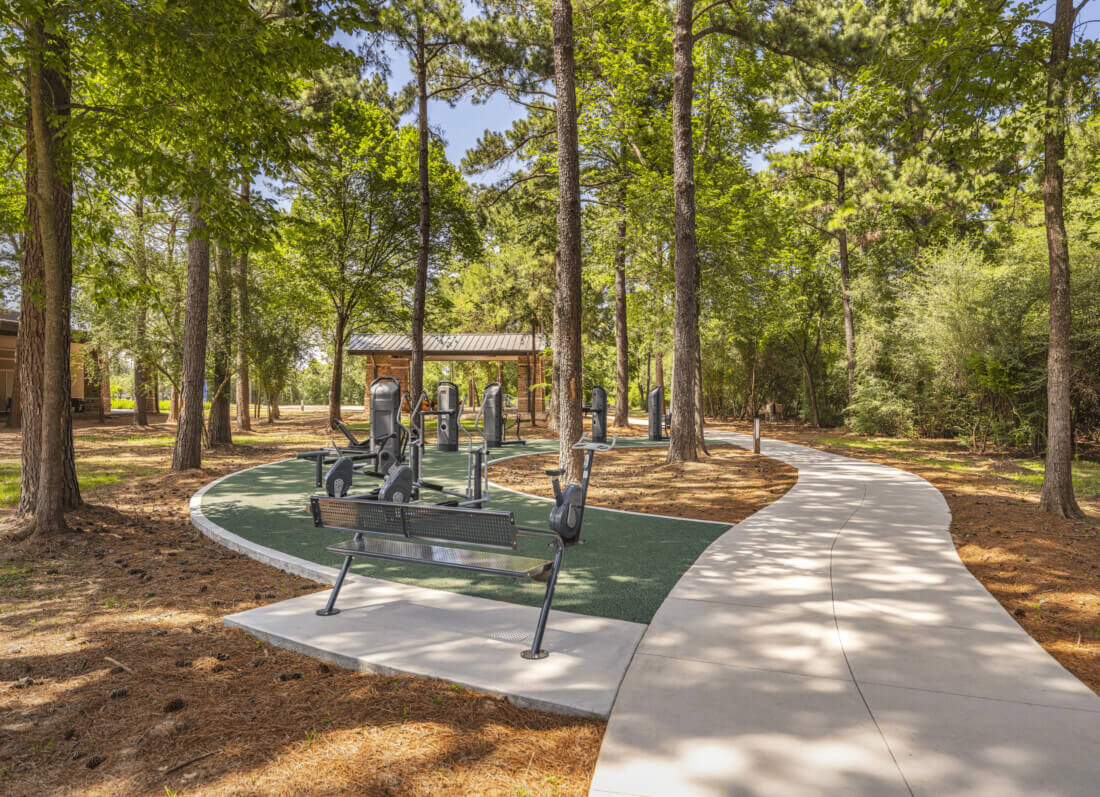
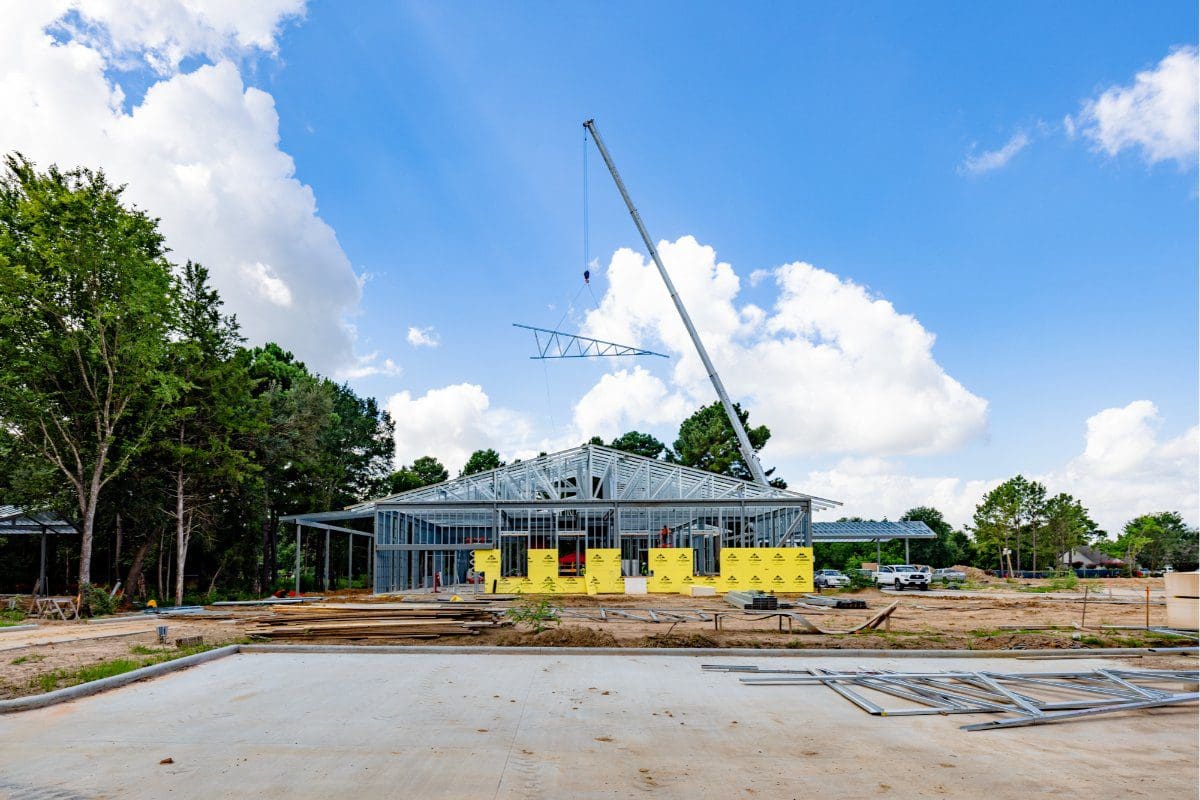
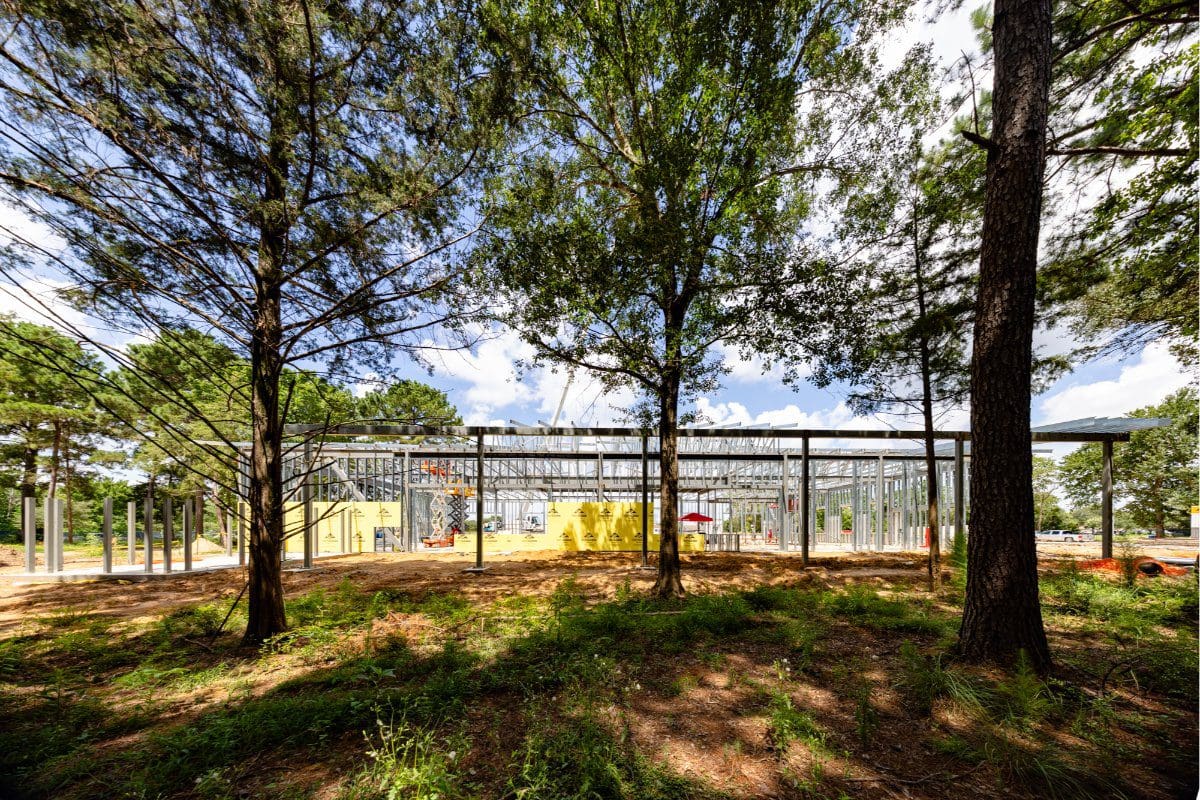
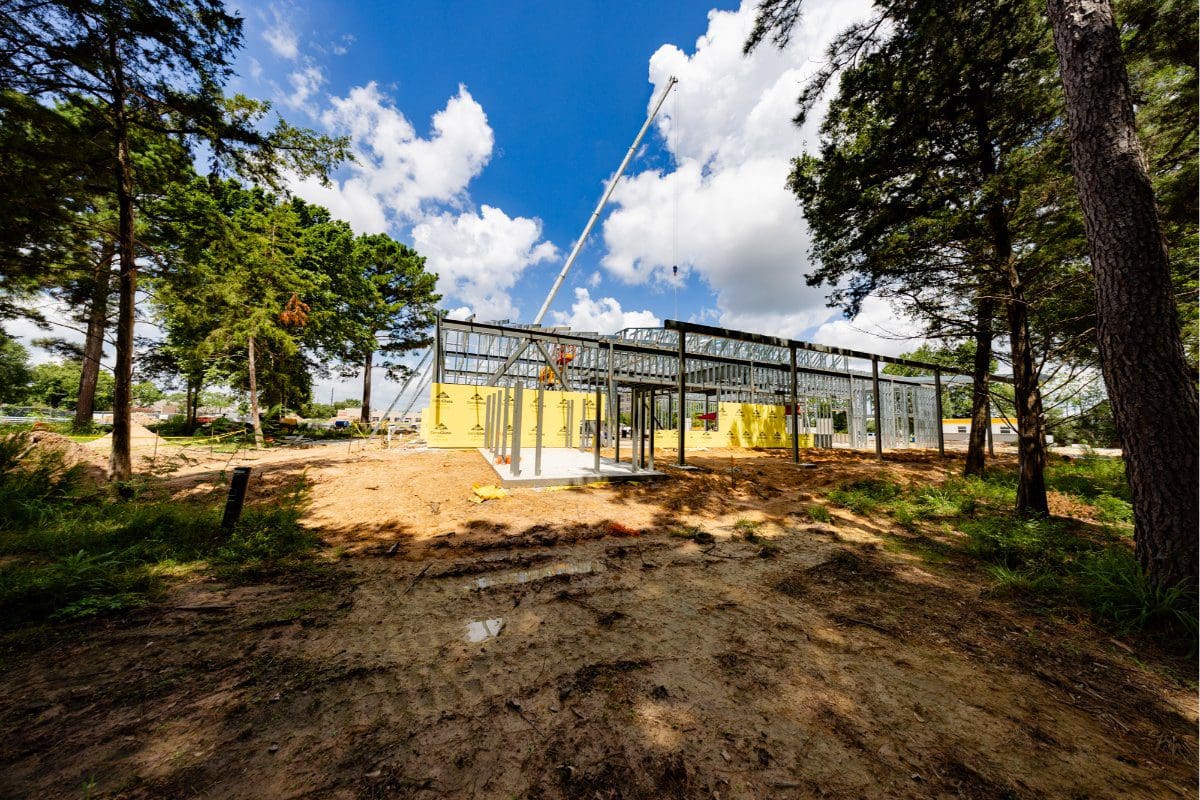
One of the most complex challenges was honoring the CEO’s desire to build inside a forest without disturbing it. Paradigm coordinated closely with the owner on-site, tree by tree, to determine exactly what stayed and what came down, preserving the natural character of Tomball while making room for something that would serve it. That same collaborative approach carried through to the park’s stocked fishing pond, which began as a required detention pond. Through careful coordination with Paradigm, the team saw an opportunity to go bigger; deepening it and opening it to the public so the whole community could enjoy it.
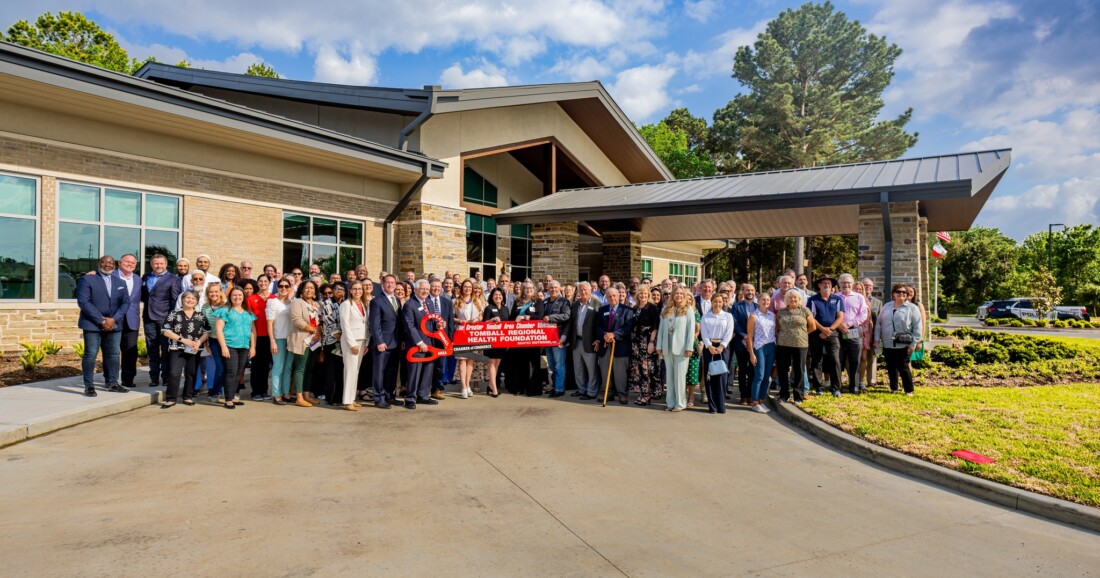
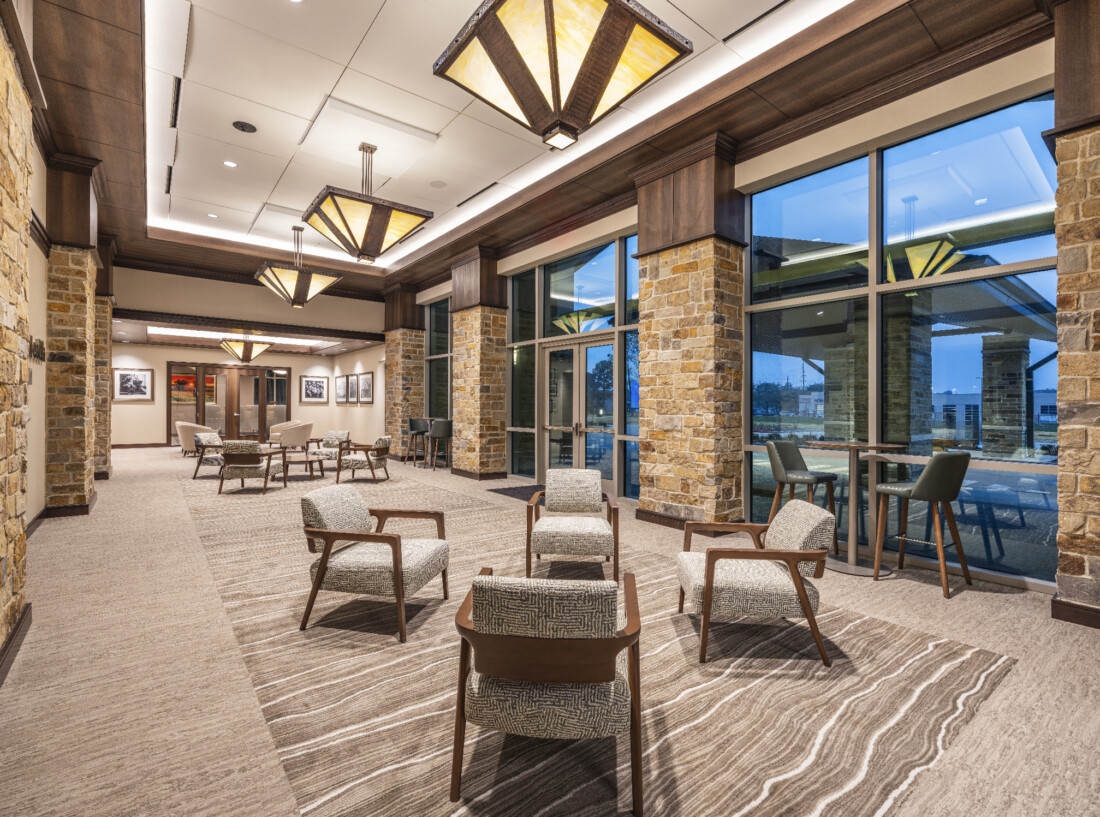
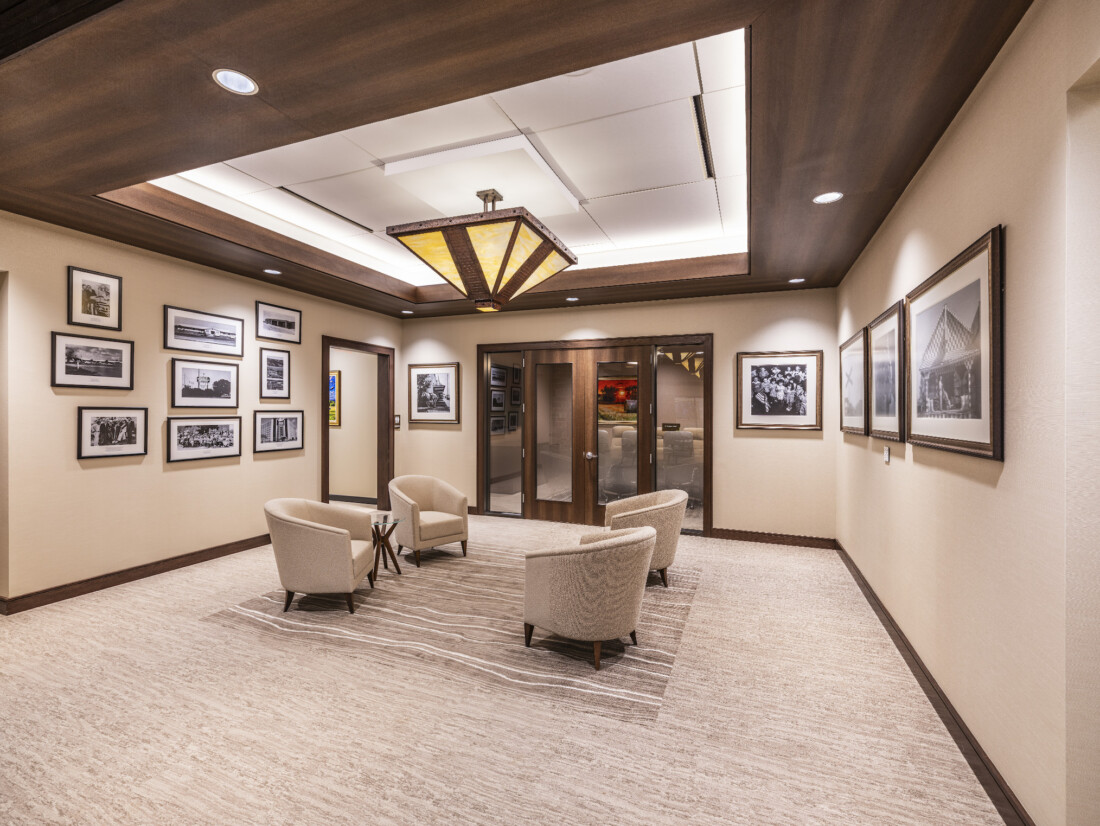
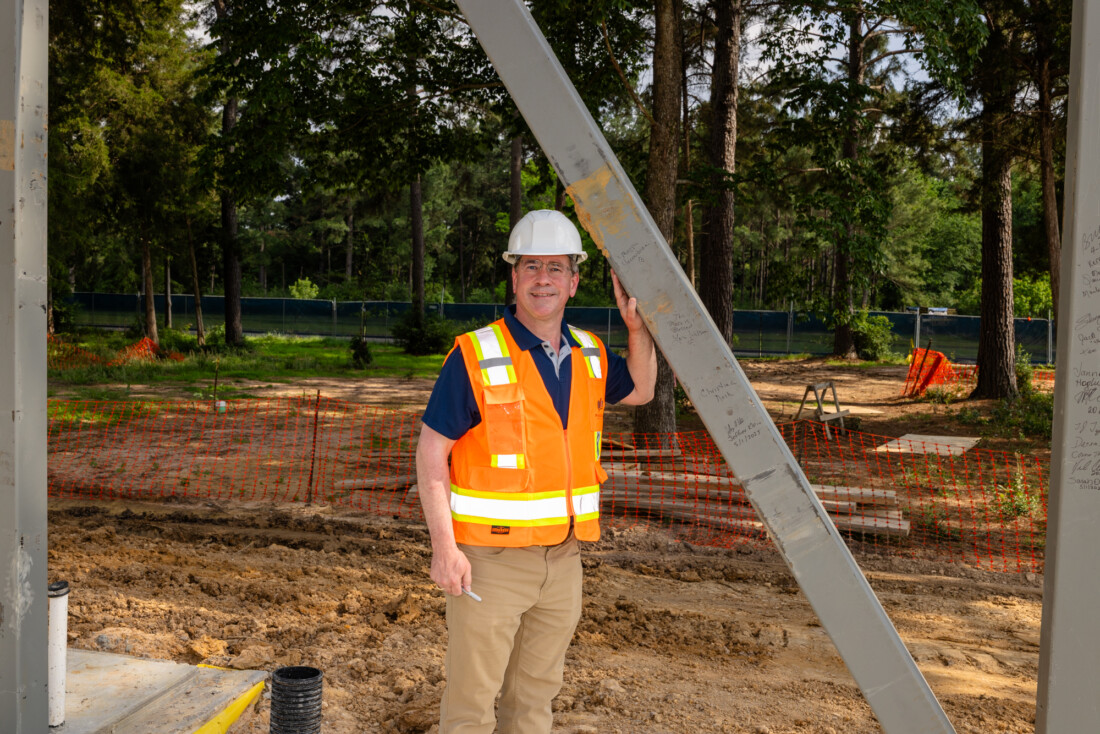
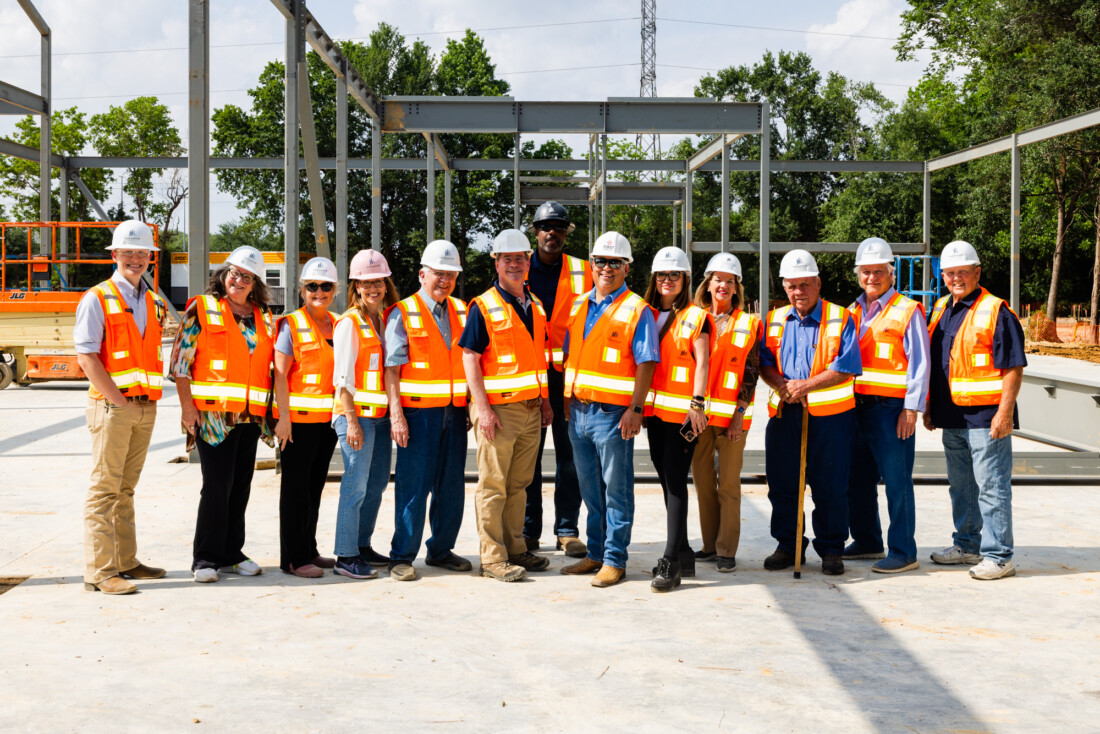
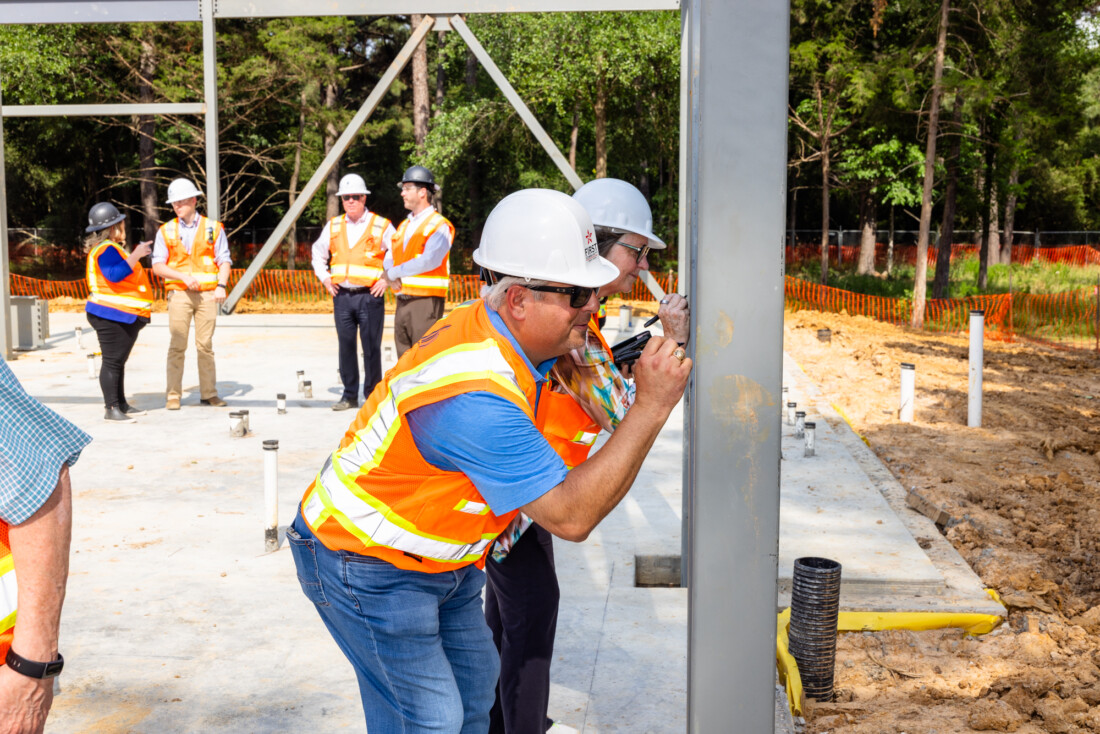
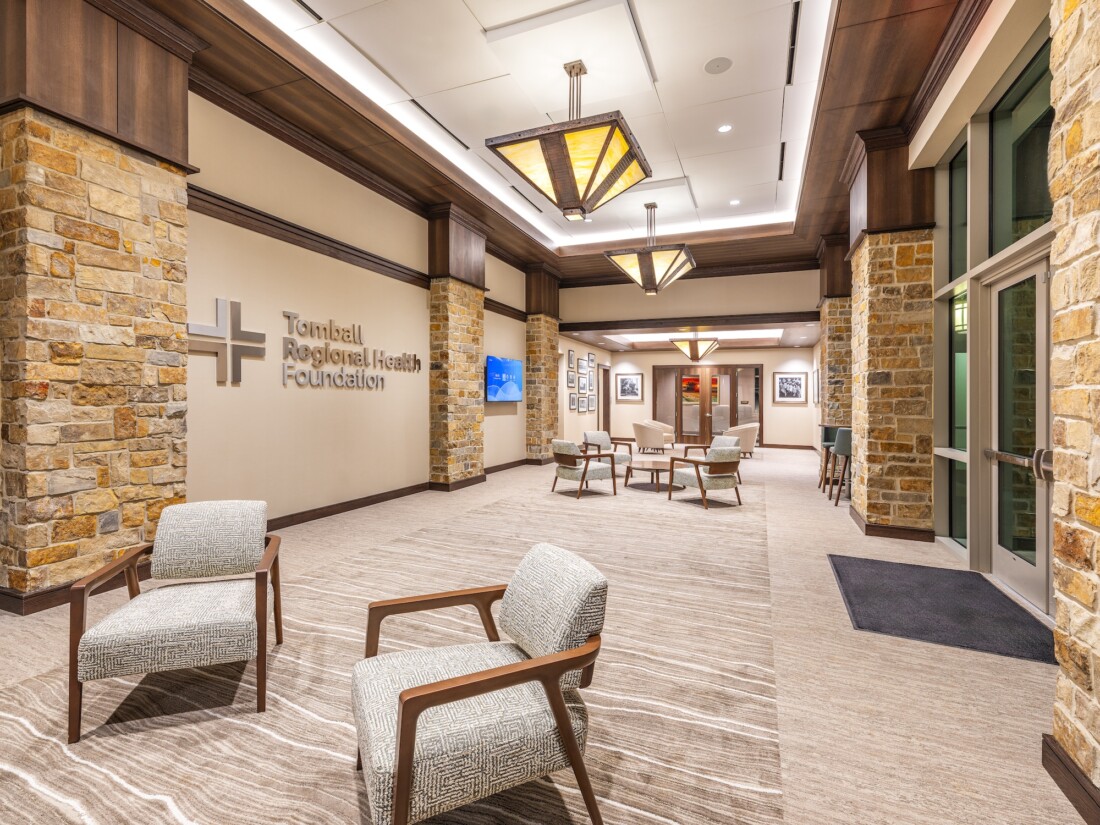
Inside, the lobby is lined with original photographs of Tomball dating back to 1949, grounding the building in the town’s deep roots. Before the walls closed up, Paradigm facilitated a community steel signing, inviting nonprofit partners, neighbors, and community members to write their names directly onto the building’s structure. It was a reminder that this place was never really about a building. It was about the 52 nonprofits, the families they serve, and the community that surrounds them. Paradigm was proud to help build a space worthy of all of them.